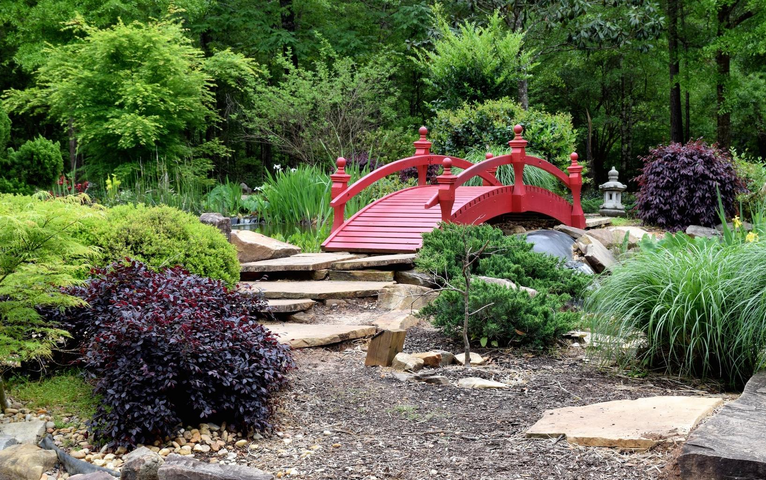
Garden walls serve multiple purposes defining boundaries, creating raised beds, retaining slopes, providing privacy, and adding architectural character. The cost depends heavily on the material, height, length, and what the wall needs to do.
Average Garden Wall Costs Per Metre
Wall Type
Height
Supply and Build (per linear metre)
Single brick wall
0.5m
£150 – £250
Single brick wall
1.0m
£280 – £450
Double brick wall
1.0m
£400 – £650
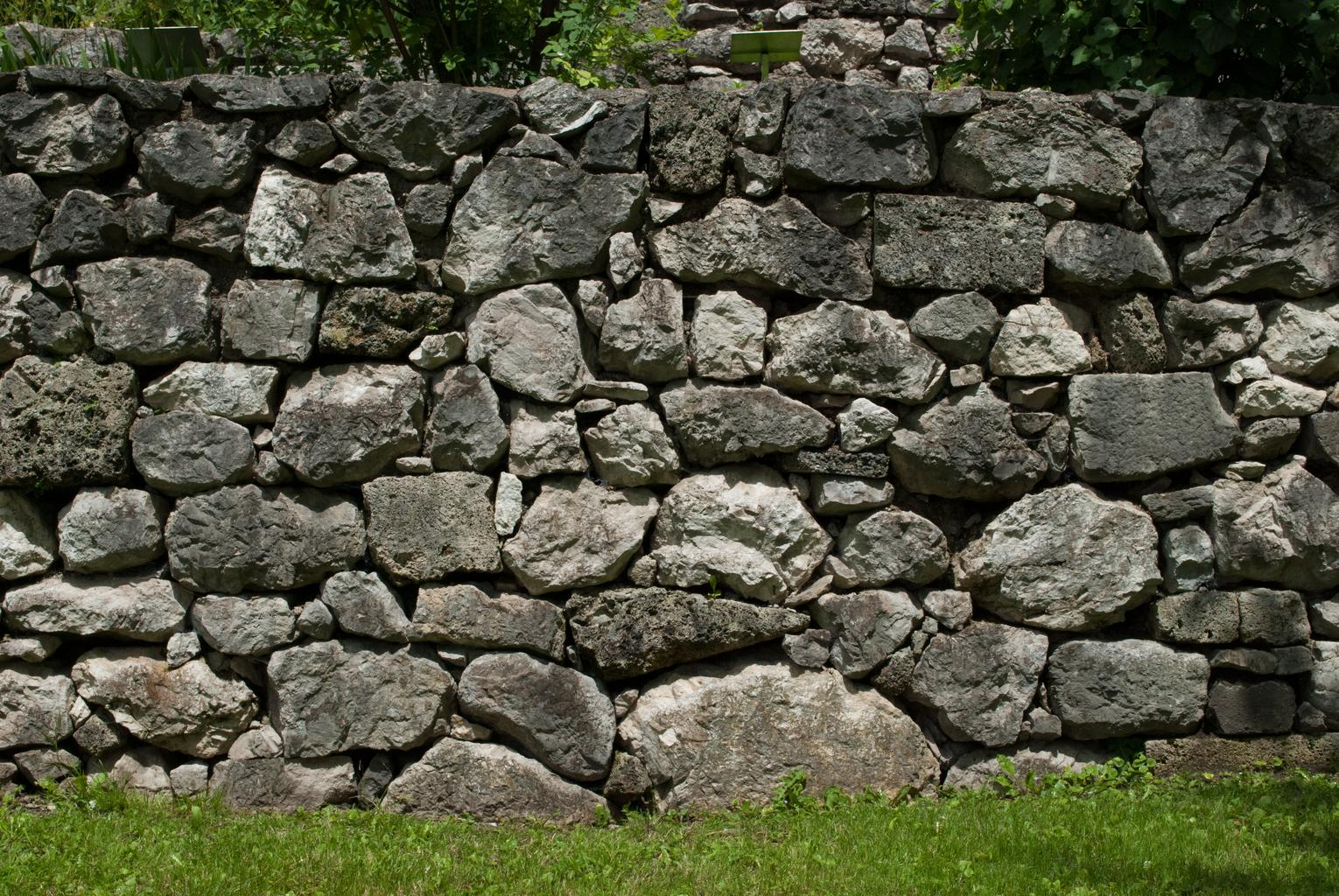
Natural stone wall (dry stack)
1.0m
£350 – £600
Natural stone wall (mortared)
1.0m
£450 – £750
Concrete block wall (rendered)
1.0m
£250 – £400
Sleeper wall (raised bed)
0.3-0.6m
£150 – £350
Retaining wall (concrete block)
1.0m
£400 – £800
What Affects the Cost of a Garden Wall?
Foundation Requirements
Every wall needs a concrete foundation (footing). The size and depth depends on the wall height and ground conditions:
Short walls (under 600mm): 300mm wide x 150mm deep footing
Walls 600mm-1m: 450mm wide x 300mm deep footing
Walls over 1m: deeper and wider footings; structural engineer input may be needed
Foundation costs add approximately £50 – £200 per linear metre to the wall cost, and are sometimes omitted from initial quotes. Always check if footings are included.
Material Choice
Brick: The most common choice. Prices range from £350 per 1,000 bricks for common engineering brick to £800+ per 1,000 for premium handmade bricks. Brick walls require skilled bricklaying and cost more in labour than block walls.
Natural stone: Gives a character that brick cannot match but is expensive. Sourcing matching local stone adds further cost. Dry stone walling (without mortar) requires specialist skills and is priced accordingly.
Concrete blocks: The most economical structural option. Often rendered or clad with brick slips to improve appearance. Common for boundary and retaining walls where appearance is secondary to function.
Railway sleepers: Hugely popular for raised beds and retaining features. New oak sleepers cost £35 – £80 each; reclaimed sleepers are similar. They do not require foundations for low heights and are a practical DIY option.
Height
Wall height is the biggest single cost driver. Doubling the height more than doubles the cost because of foundation requirements, greater material volumes, and the structural complexity of taller walls (piers, copings, buttressing).
Retaining vs Freestanding
A retaining wall holds back soil and is under constant lateral pressure. It requires engineering, drainage behind the wall (weep holes or French drain), and appropriate wall thickness. Retaining walls cost 30-60% more than equivalent freestanding walls.
For retaining walls over 1.2m high, you should consult a structural engineer (£300 – £600 for a report) and ensure building regulations compliance.
Bricklayer Labour Rates
Bricklayer day rate: £200 – £350 per day (London: £300 – £450)
A bricklayer lays approximately 400-600 standard bricks per day in a garden wall situation
A 10 metre x 1 metre single brick wall typically requires 2-3 days labour
Coping Stones and Finishing
Coping stones on top of the wall protect it from water ingress and complete the look. Budget £20 – £80 per metre for coping stones depending on material (concrete, sandstone, limestone, brick-on-edge).
Can You Build a Garden Wall Without Planning Permission?
In England, you can build a garden wall up to 2 metres in height without planning permission (unless it is adjacent to a highway, where the limit is 1 metre). Properties in conservation areas may have restrictions. Check with your local planning authority for certainty.
How to Save Money on a Garden Wall
Use concrete block construction with render rather than full brick
Choose standard brick rather than premium handmade
Keep the wall to a single skin where structural requirements allow
Consider sleeper walls for raised bed and terrace retaining applications — they are faster to build and often cheaper
Get multiple quotes and check exactly what each includes
How Long Does a Garden Wall Last?
A well-built brick garden wall should last 50-100 years with minimal maintenance. Natural stone walls can last even longer. The most common failure points are:
Poor or missing foundations that allow the wall to move
Inadequate pointing (mortar between joints) that lets in water
Missing or poor-quality coping stones that allow frost damage
Pointing a garden wall every 15-20 years (£20 – £50 per metre) significantly extends its life.
A full garden landscape project is one of the most significant investments you can make in your property. Unlike a single feature like a patio or fence, landscaping redesigns the entire outdoor space and the costs vary enormously depending on what you want, the size of your garden, and the complexity of the work. This…
Whether you’ve inherited an overgrown garden, are preparing for a landscaping project, or simply need to deal with years of accumulated debris, garden clearance is often the necessary first step. Costs range from a few hundred pounds for a tidy-up to several thousand for a seriously neglected large garden. Average Garden Clearance Costs Garden State…
A waterlogged garden is one of the most frustrating problems a homeowner can face. Standing water damages plants, prevents the lawn from being used, and can threaten your home’s foundations if too close to the house. The right drainage solution depends on why the garden is waterlogged and what the underlying soil conditions are. Average…