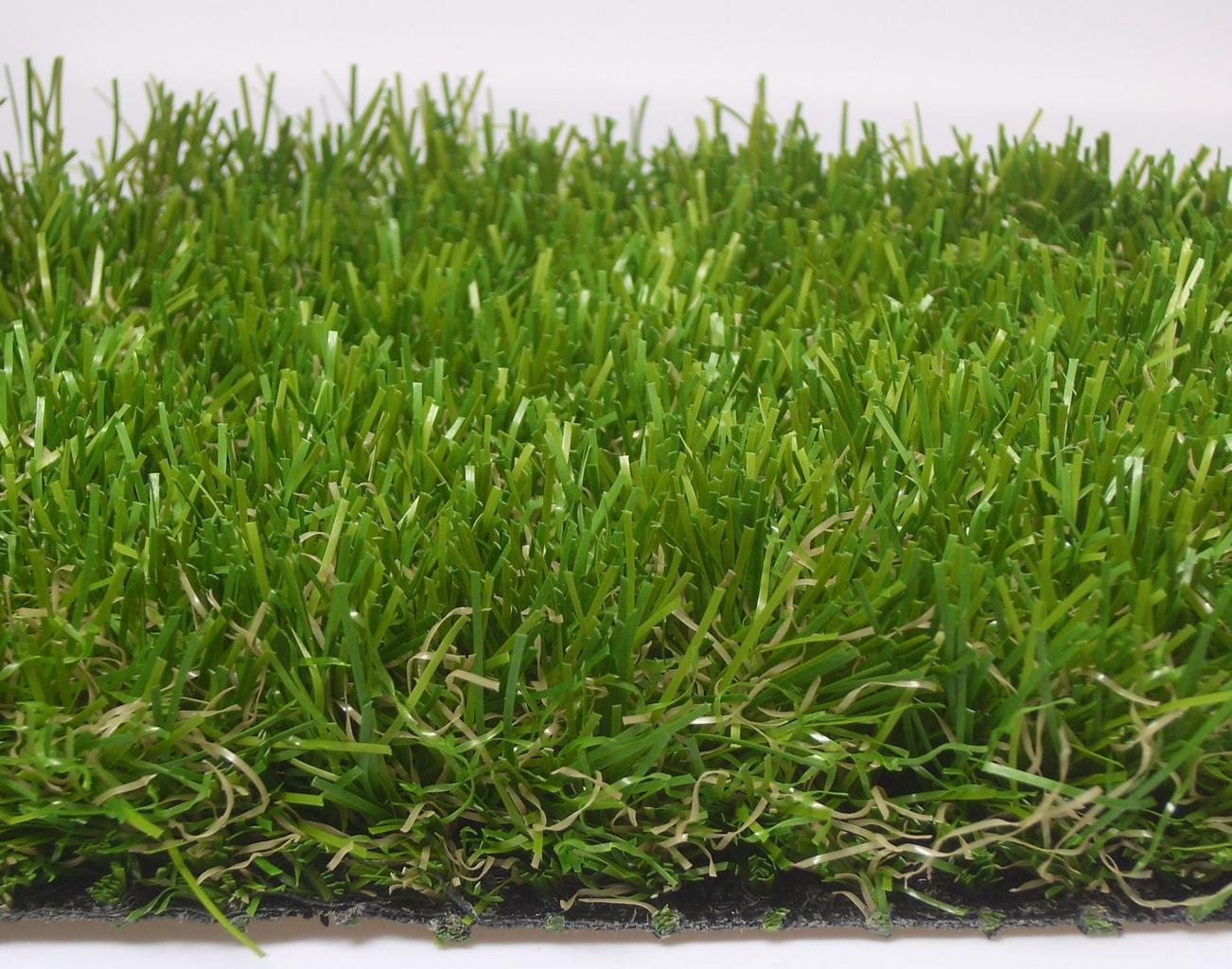
Artificial grass has become hugely popular in the UK, particularly in urban gardens where water restrictions, shade, or hard use make keeping a natural lawn difficult. A quality artificial lawn looks natural, requires no mowing, and stays green year-round.
Average Artificial Grass Costs in the UK
For supply and professional installation:
Budget artificial grass: £30 – £50 per m2 (supply and fit)
Pile height: 25-35mm looks most natural for most applications
Dtex (density): Higher dtex means denser, more durable grass
Colour variation: Better grasses have multiple shades of green plus brown thatch fibres for a natural look
UV stability: Cheaper grasses fade within a few years; quality products carry 7-10 year UV guarantees
Backing: A drainage hole backing (15,000 holes per m2) allows good water dispersal
Budget grass at £5-£10 per m2 (supply only) may look artificial, mat down quickly, and fade within 3-5 years. Mid-range grass at £12-£25 per m2 supply looks convincing and lasts 10-15 years.
Sub-Base Preparation
Proper sub-base installation is as important as the grass itself. A poor sub-base leads to waterlogging, uneven surfaces, and failure of the installation.
Standard sub-base specification:
Remove existing lawn or soil to 100-150mm depth
Compact the ground
Lay a weed membrane
Install 75-100mm of MOT Type 1 crushed aggregate
Top with a layer of sharp sand
Compact to achieve a stable, permeable base
Sub-base preparation typically costs £15 – £30 per m2 on top of the grass cost. Skimping on the sub-base is the most common mistake in cheap installations.
Size and Shape
Simple rectangular lawns are quickest to install and waste less grass. Irregular shapes require more cutting, generate waste, and take longer. Very narrow runs (under 1m wide) are labour-intensive.
Infill Material
Quality installations use a kiln-dried silica sand infill to weight and stabilise the fibres and make the grass feel more natural underfoot. Budget roughly £100 – £300 for infill depending on lawn size.
The Environmental Debate
Artificial grass generates a legitimate conservation debate. Key considerations:
It prevents water infiltration into the ground, increasing surface run-off
It provides no habitat value for insects, birds, or soil organisms
It does not cool the air through transpiration — it absorbs and radiates heat
It is made from plastic and is difficult to recycle at end of life
In response to these concerns, some local authorities are restricting artificial grass in front gardens, and the Royal Horticultural Society removed artificial grass from display gardens in 2024.
For wildlife-friendly gardening, natural grass, wildflower areas, or gravel with planting are environmentally preferable alternatives. Artificial grass remains a practical solution for difficult situations (heavily shaded areas, high-traffic family spaces, balconies and roof terraces) where natural grass genuinely struggles.
How Long Does Artificial Grass Last?
A quality artificial grass installation should last 15-25 years. Factors affecting longevity:
UV resistance of the fibres
Weight of use (children playing, dogs)
Infill maintenance
Quality of sub-base
Regular brushing against the grain to keep fibres upright, periodic top-up of infill, and clearing leaves and debris extends the life of the installation.
Artificial Grass Maintenance Costs
One of the main selling points is low maintenance. Ongoing costs are minimal:
Occasional brushing and hosing down: £0 (DIY)
Annual deep clean (professional service): £100 – £300 for a medium lawn
Infill top-up every 2-3 years: £50 – £150
Can You Lay Artificial Grass Yourself?
DIY installation is possible for flat, accessible gardens, but the sub-base preparation is physically demanding and getting the levels right is critical. Common DIY mistakes include inadequate drainage preparation, visible joins, and fibres laid in different directions (which shows as a colour mismatch).
For complex shapes, multiple pieces that need joining, or sloped gardens, professional installation is recommended.
Is Artificial Grass Worth It?
For low-maintenance, all-year-round green space, artificial grass delivers. The upfront cost is offset by zero mowing costs, zero watering costs, and no seasonal reseeding or treatment. For busy families who want a usable outdoor space without garden maintenance, it can be excellent value.
For gardens where environmental considerations are a priority, natural alternatives are worth exploring first.
A fresh lawn transforms a garden. Whether you have bare soil after building work, a patchy mess from years of wear, or you are creating a new garden from scratch, installing a lawn is one of the most impactful things you can do. There are two main ways to create a new lawn: turfing (laying…