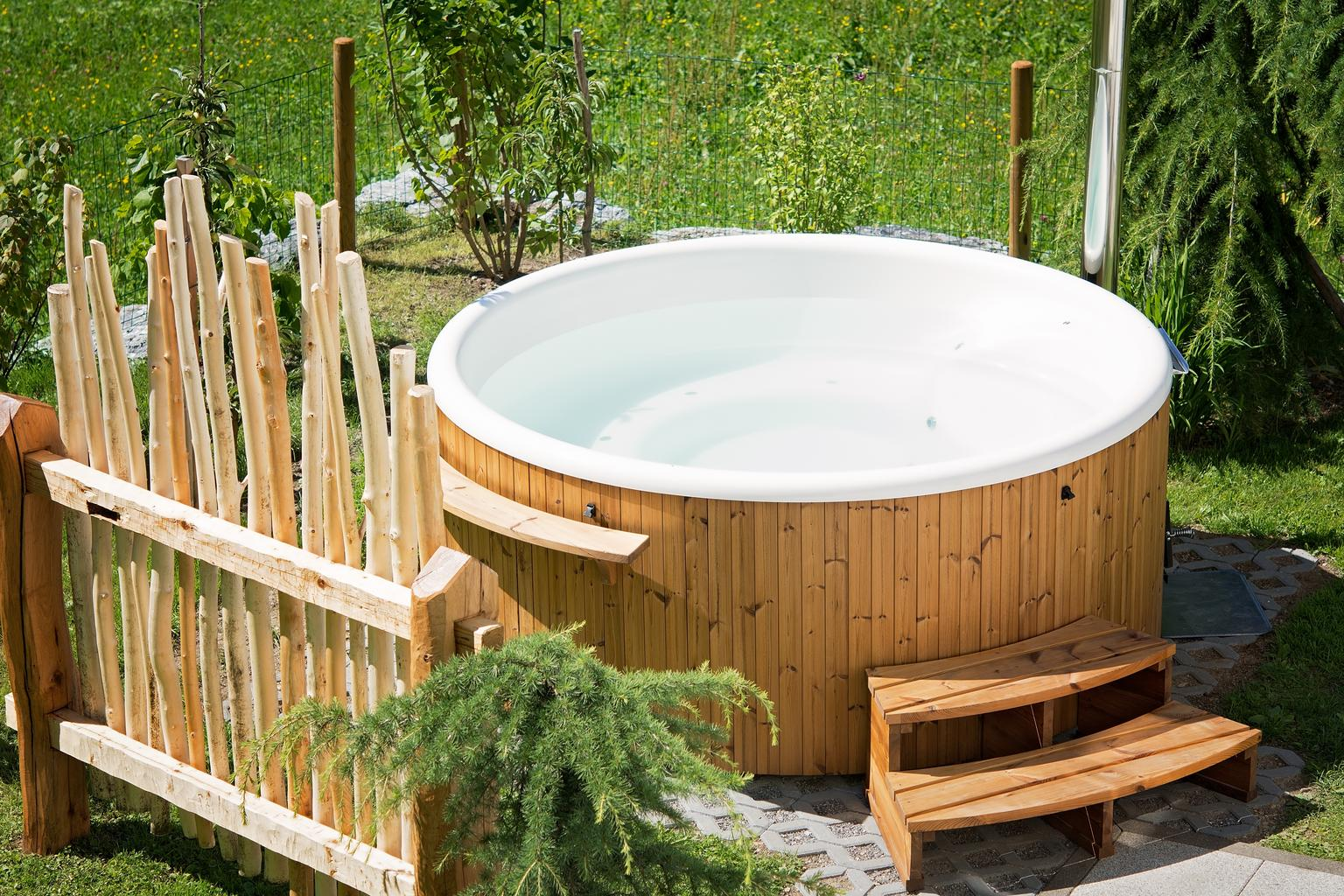
Hot tubs have moved from luxury to mainstream in UK gardens. From affordable inflatable models to permanent luxury installations, there is a hot tub for almost every budget. Understanding the full cost purchase, installation, and running is essential before committing.
Hot Tub Purchase Prices in the UK
Type
Price Range
Inflatable/portable hot tub
£300 – £800
Entry-level acrylic hot tub
£2,000 – £4,000
Mid-range acrylic hot tub
£4,000 – £8,000
Premium hot tub (12+ jets, advanced features)
£8,000 – £15,000
Luxury/bespoke swim spa or hot tub
£15,000 – £50,000+
Installation Costs
The hot tub purchase price is only part of the budget.
Base Preparation
A hot tub needs a solid, flat base capable of bearing the weight of the full tub (water + users can total 1,500-3,000kg for a large tub). Options:
New concrete slab: £300 – £800 for a typical hot tub slab
Reinforced decking: £500 – £1,500 if the deck is specifically designed for the load
Specialist hot tub base (plastic/composite panels): £200 – £600
Electrical Connection
All permanent hot tubs require a dedicated electrical supply. This must be installed by a Part P-registered electrician:
Dedicated outdoor 32A circuit from consumer unit: £400 – £900
RCBO protection and weatherproof connections: included in above
Distance from consumer unit to tub location: longer runs cost more
Inflatable hot tubs plug into a standard 13A outdoor socket and don’t require a new circuit.
Delivery and Positioning
Most hot tubs are delivered by crane or specialist equipment if vehicular access is not possible. Delivery is included in the purchase price by many suppliers, but crane hire for difficult access gardens costs £500 – £1,500 extra.
Hot Tub Running Costs
Running costs are where many buyers are surprised. A mid-range hot tub with good insulation might cost:
Energy (heating and filtration): £40 – £100 per month (depends on tub insulation, outside temperature, usage frequency, and electricity tariff)
Chemicals (chlorine or bromine, pH balancers, clarifiers): £20 – £50 per month
Water changes (every 3-4 months): £5 – £15 in water, plus time
Annual service (including filter replacement): £100 – £300
Estimated annual running cost: £750 – £1,800 depending on the tub and how often you use it.
Energy efficiency varies dramatically between brands. Look for full foam insulation, a good quality cover, and an energy-efficient pump. Good insulation can halve running costs compared to a poorly insulated tub.
Do You Need Planning Permission for a Hot Tub?
In England, a hot tub in the rear garden does not require planning permission under permitted development. However:
If you are planning a permanent structure around the hot tub (gazebo, outbuilding)
If you are in a conservation area
If the hot tub is in the front garden
Water Treatment for Hot Tubs
Unlike a swimming pool, hot tub water is heated to 37-40°C ideal conditions for bacterial growth, including Legionella. Proper water treatment is a health and safety necessity, not a luxury.
Chlorine-based systems: The most common. Regular addition of chlorine granules, pH adjusters, and occasional shock treatment. Most affordable chemical cost.
Bromine-based systems: More stable at high temperatures than chlorine. Less harsh smell. Slightly more expensive chemicals.
Salt water systems: A salt water chlorinator generates chlorine from salt, reducing the need to handle and store chemicals. Higher upfront cost (£300-£800 for the generator unit) but lower ongoing chemical costs and a softer feel to the water.
Mineral/UV systems: Mineral cartridges and UV sterilisers reduce chemical usage but don’t eliminate it entirely. A good supplement for those sensitive to chlorine.
Inflatable vs Rigid Hot Tubs
Inflatable hot tubs (Lay-Z-Spa and similar):
Much cheaper upfront (£300-£800)
Can be deflated and stored in winter
Less insulated (higher running cost)
Lower jet pressure and fewer features
Lifespan: 3-7 years versus 15-20 for a quality rigid tub
Good for trying out hot tub ownership before committing
Rigid acrylic hot tubs:
Significantly better insulation and energy efficiency
More powerful jets and hydrotherapy features
Much longer lifespan
Increase property value (marginally)
Better for regular year-round use
Hot Tub as a Property Feature
Hot tubs rarely add substantial value to a property, but they can make a home more attractive to certain buyers. They are a lifestyle purchase rather than a financial investment. The key consideration is how much use you will genuinely get from it for a regularly used tub, the per-use cost over 10 years is very reasonable.
Raised beds have transformed vegetable and herb growing in UK gardens. They warm up faster in spring, provide excellent drainage, allow precise soil management, and make growing accessible for people who struggle to bend. The costs are modest you can start with a single raised bed for under £100 or build a full kitchen garden…
An automatic irrigation system removes the daily chore of watering and ensures plants receive consistent moisture even during holidays. In an era of hosepipe bans and water restrictions, a well-designed drip irrigation system can actually reduce water use by targeting roots rather than broadcasting water widely. Average Irrigation System Costs System Type Garden Size Cost…
A garden pond is one of the most wildlife-friendly features you can add to your garden. Even a small pond attracts frogs, dragonflies, newts, and birds. Larger ponds with filtration and planting become dramatic focal points. Costs range from under £200 for a simple DIY wildlife pond to £30,000+ for a koi pond with professional…
Good garden lighting extends the time you spend outside, enhances the appearance of planting and hard landscaping, and increases security. The cost varies enormously depending on whether you want a basic solar string light system or a professionally installed low-voltage landscape lighting scheme. Average Garden Lighting Costs System Type Cost Range Solar path and accent…