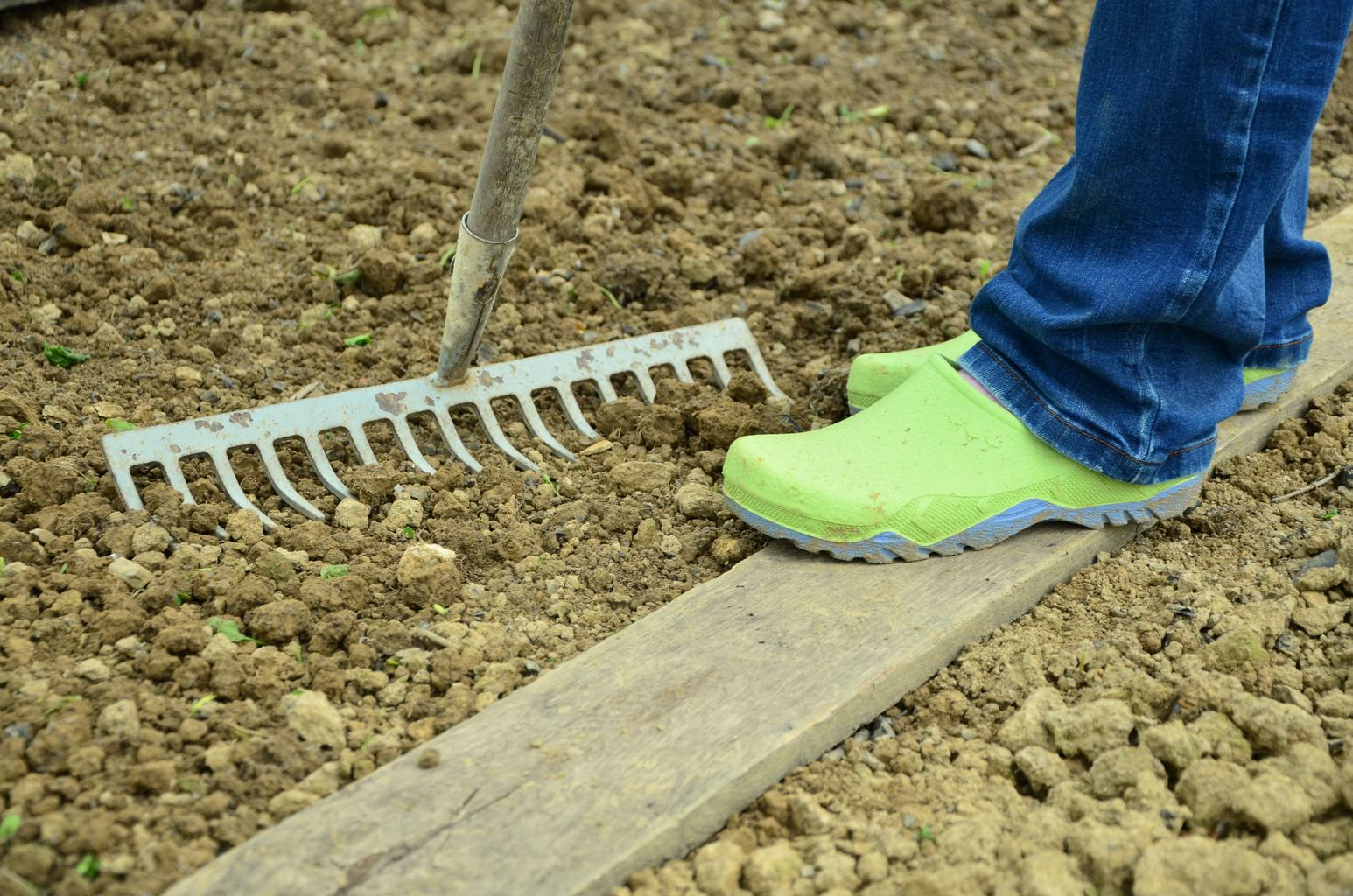
Raised beds have transformed vegetable and herb growing in UK gardens. They warm up faster in spring, provide excellent drainage, allow precise soil management, and make growing accessible for people who struggle to bend. The costs are modest you can start with a single raised bed for under £100 or build a full kitchen garden for a few thousand pounds.
Raised Bed Costs at a Glance
Material
Size (approx)
Supply Only
Supply and Build
Timber sleepers (softwood)
1.2m x 2.4m
£60 – £120
£150 – £250
Timber sleepers (hardwood/oak)
1.2m x 2.4m
£120 – £250
£250 – £450
Metal raised bed (Corten steel)
1m x 2m
£80 – £200
£120 – £280
Composite raised bed
1.2m x 2.4m
£100 – £200
£150 – £300
Brick/block raised bed
1.2m x 2.4m
£150 – £400
£400 – £900
Filling Raised Beds: The Soil Cost
The beds themselves are only half the cost. Filling raised beds with quality growing media is significant:
Good growing mix for vegetables: 60% topsoil + 30% compost + 10% grit/perlite
Topsoil: £40 – £80 per cubic metre (delivered)
Compost/organic matter: £40 – £80 per cubic metre
Mixed “vegetable bed” topsoil: £60 – £120 per cubic metre
For a 1.2m x 2.4m x 0.3m raised bed (approx 0.86 cubic metres):
Soil fill: £50 – £100
Total cost including bed: £150 – £350 depending on material
For a set of four standard raised beds: £600 – £1,400 fully filled.
Raised Bed Materials Compared
Pressure-Treated Softwood Sleepers
The most popular choice. Widely available, easy to work with, affordable. Modern preservative treatments (no longer creosote) are safe for food growing. A 2.4m x 200mm x 100mm sleeper costs £8 – £18 depending on quality.
Lifespan: 10-15 years with good drainage; up to 20 years in dry conditions.
Oak or Hardwood Sleepers
Beautiful, more expensive, and genuinely long-lasting. Reclaimed oak sleepers add character. New green oak sleepers will weather to a silver-grey colour. Cost 2-3x more than softwood.
Lifespan: 25-40 years.
Corten/Weathering Steel
Fashionable in contemporary gardens. The steel surface forms a stable rust-coloured patina that protects the underlying metal. Looks striking and lasts 50+ years. Available in many shapes and heights.
Important note: Corten steel can leach iron compounds when wet, which is not ideal directly against soft plant stems. Allow a small gap between the steel and soil, or use a liner.
Composite (Recycled Plastic/Wood)
Made from recycled materials, maintenance-free, and very long-lasting. Available in various sizes and colours. Stable — won’t warp or split. More expensive than softwood but similar or lower lifetime cost.
Lifespan: 25+ years.
Brick or Block
Permanent, attractive, and can be coped to provide seating. More expensive to build but adds structure and character to a kitchen garden. Built by a bricklayer or block layer rather than a general gardener.
Professional Installation Costs
A gardener or handyperson can build standard timber raised beds:
Per bed (single softwood sleeper raised bed, 1.2m x 2.4m): £80 – £150 labour
Set of 4 beds with paths between: £400 – £800 labour
Full kitchen garden build including weed-suppressing paths and filling: £2,000 – £5,000
DIY Raised Beds
Building raised beds is one of the most accessible gardening DIY projects. Basic tools (saw or angle grinder for metal, drill, screws or rebar pins) and a few hours are all that is needed for a simple timber sleeper bed.
Cost of a DIY 1.2m x 2.4m x 0.3m softwood raised bed:
3 x 2.4m sleepers cut to length: £30 – £45
2 x corner posts or rebar pins: £5 – £10
Screws or coach bolts: £3 – £8
Total materials: £38 – £63 + soil fill
What to Grow in Raised Beds
The return on a productive raised bed is excellent. A 1.2m x 2.4m bed managed well can produce:
40-60 heads of lettuce over the season
10-15 courgettes
4-6 tomato plants (50-80 tomatoes)
2-3 rows of salad crops throughout the year
The UK spend on salad and herbs averages over £200 per household annually — a productive raised bed can recover its cost in a single growing season.
An automatic irrigation system removes the daily chore of watering and ensures plants receive consistent moisture even during holidays. In an era of hosepipe bans and water restrictions, a well-designed drip irrigation system can actually reduce water use by targeting roots rather than broadcasting water widely. Average Irrigation System Costs System Type Garden Size Cost…
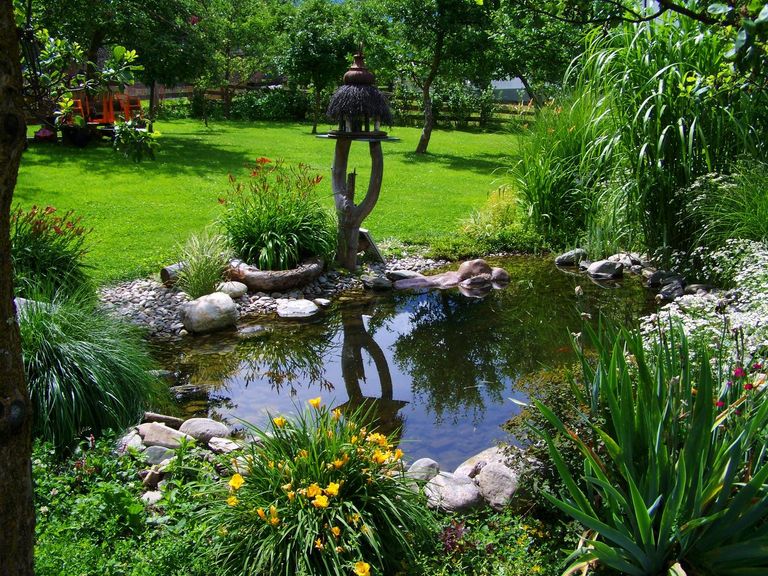
A garden pond is one of the most wildlife-friendly features you can add to your garden. Even a small pond attracts frogs, dragonflies, newts, and birds. Larger ponds with filtration and planting become dramatic focal points. Costs range from under £200 for a simple DIY wildlife pond to £30,000+ for a koi pond with professional…
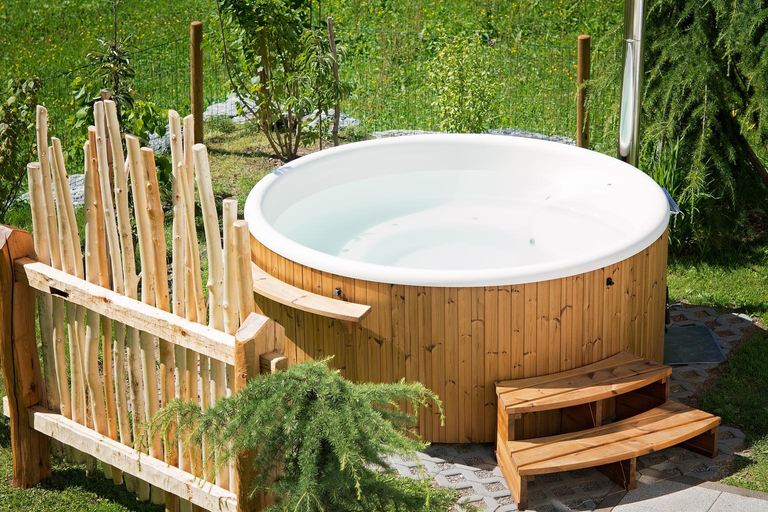
Hot tubs have moved from luxury to mainstream in UK gardens. From affordable inflatable models to permanent luxury installations, there is a hot tub for almost every budget. Understanding the full cost purchase, installation, and running is essential before committing. Hot Tub Purchase Prices in the UK Type Price Range Inflatable/portable hot tub £300 –…
Good garden lighting extends the time you spend outside, enhances the appearance of planting and hard landscaping, and increases security. The cost varies enormously depending on whether you want a basic solar string light system or a professionally installed low-voltage landscape lighting scheme. Average Garden Lighting Costs System Type Cost Range Solar path and accent…